

on April 07, 2026

Most women have been taught very little about cervical mucus. At best, it's mentioned briefly in a health class. At worst, it's treated as something slightly embarrassing. But cervical mucus is one of the most informative signals your body produces, and learning to read it is one of the most practical things you can do for your reproductive health.
It changes in texture, volume, and appearance throughout your cycle in direct response to your hormones. These changes follow a predictable pattern that, once you know what to look for, tells you exactly where you are in your cycle and how close you are to ovulation.
Whether you're trying to conceive, using natural contraception, or simply want to understand your body better, cervical mucus is worth paying attention to.
What is cervical mucus and why does it matter?
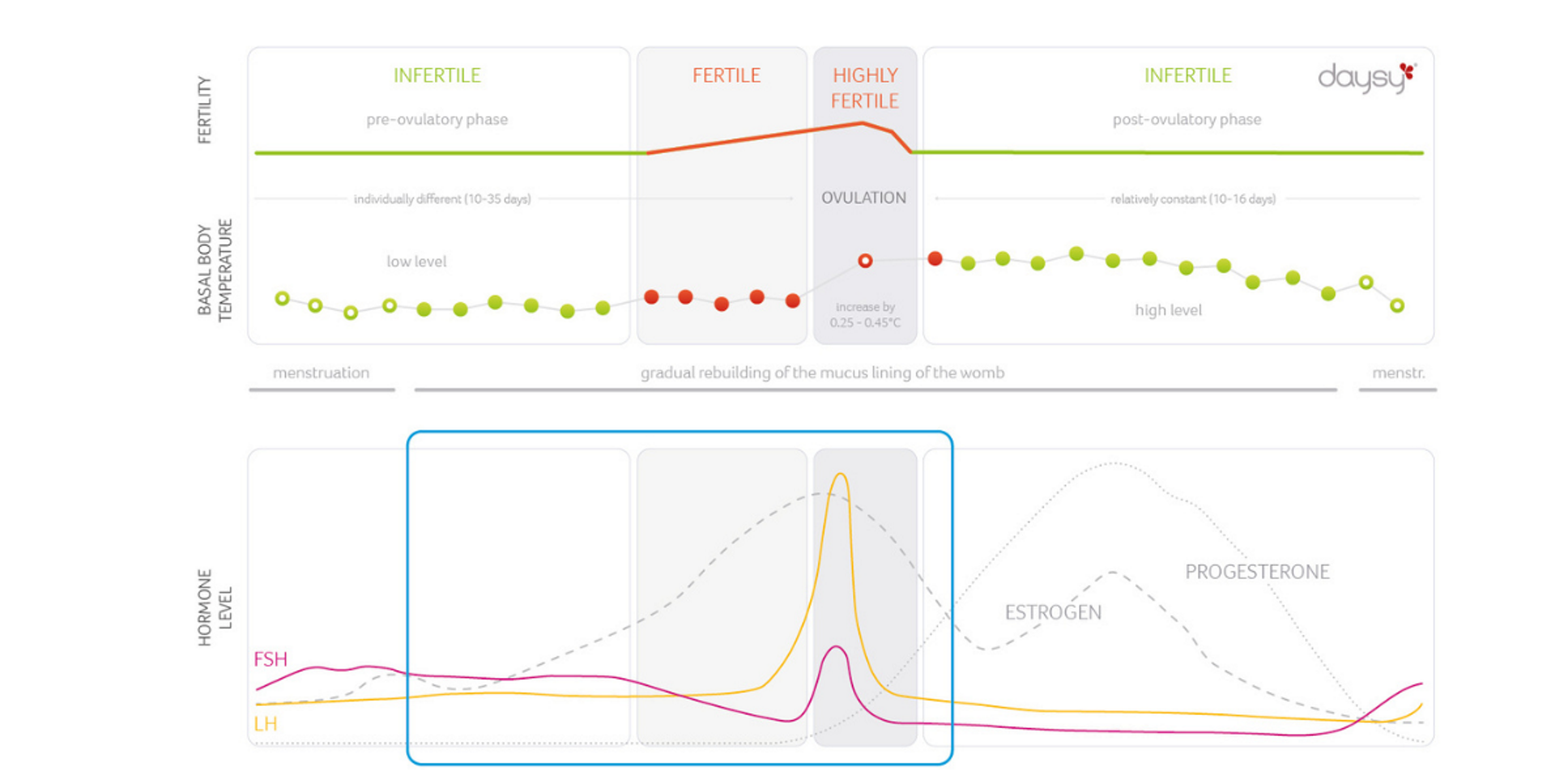
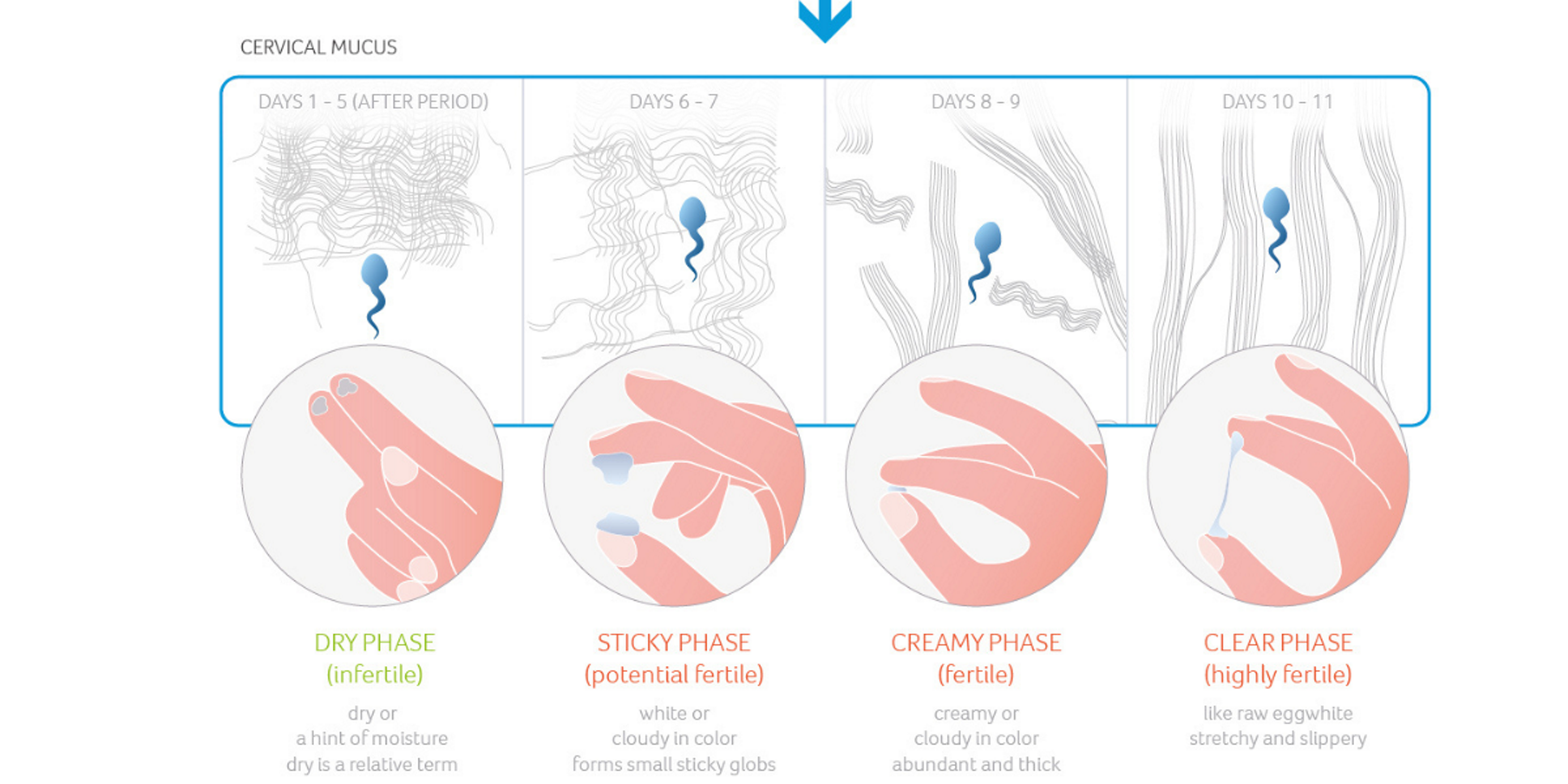
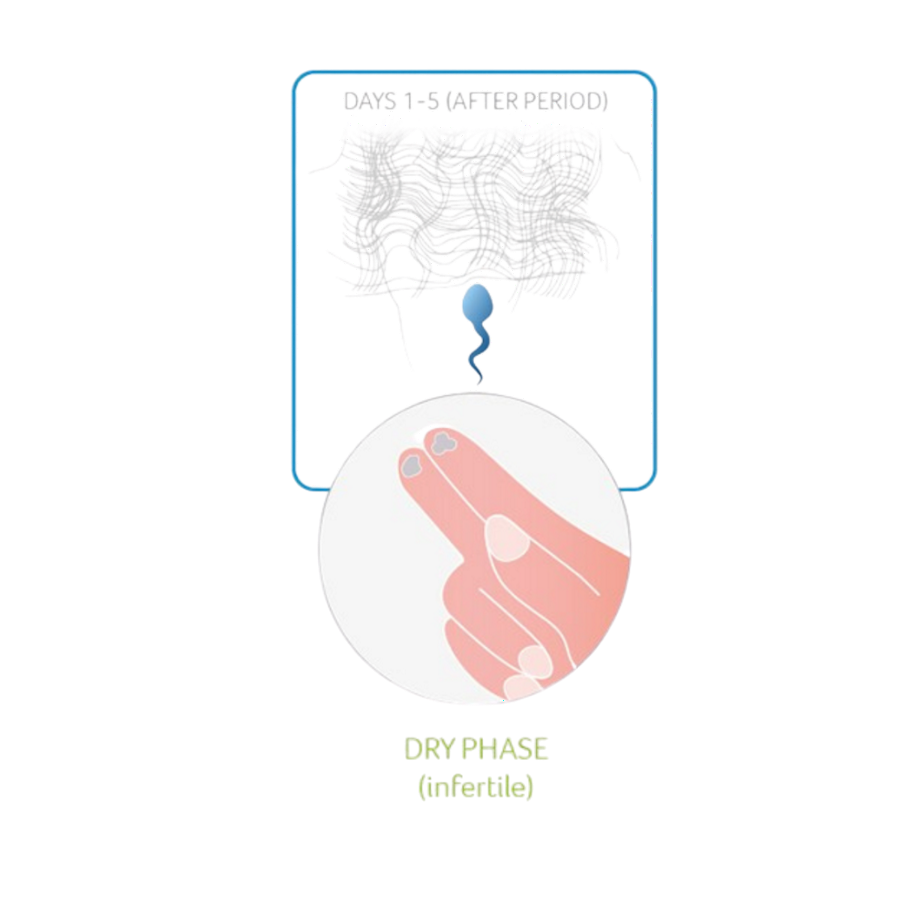
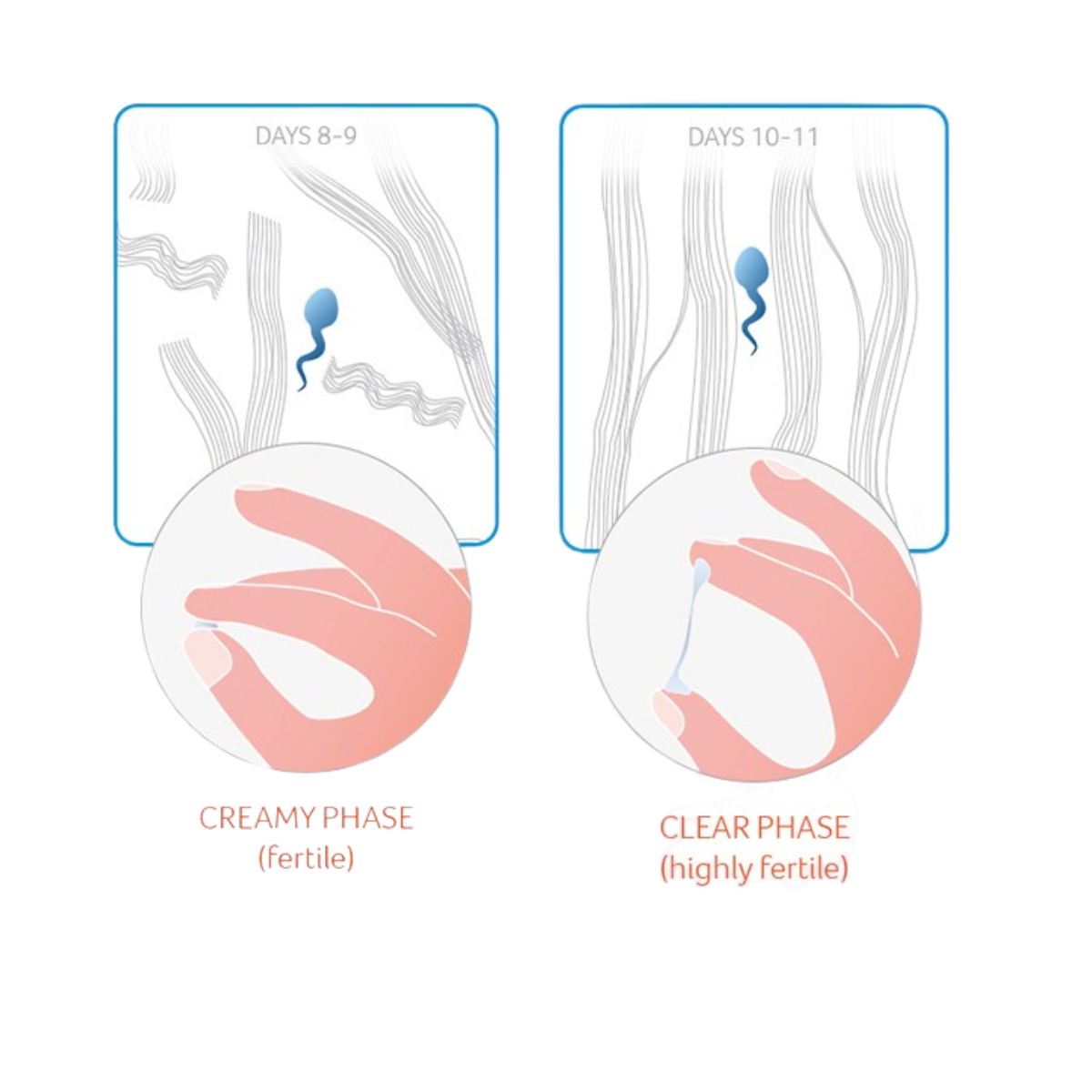
Cervical mucus is produced by glands in the cervix and its primary job changes depending on where you are in your cycle. During infertile phases, it forms a thick, impenetrable barrier that blocks sperm from entering the uterus. As ovulation approaches, it transforms into a thin, slippery, sperm-friendly fluid that actively supports fertilisation.
This shift is driven by oestrogen. As oestrogen rises in the lead-up to ovulation, the mucus becomes increasingly watery and elastic. After ovulation, progesterone takes over and the mucus thickens again, closing the fertile window.
Understanding this pattern gives you a real-time window into your hormonal health and fertility status, without any tests, strips, or devices required.
How cervical mucus changes across your cycle
The chart below shows how cervical mucus, basal body temperature, and hormone levels interact across a typical cycle.

How to observe your cervical mucus
You don't need to collect mucus from deep inside the vagina. What's present at the vaginal opening is entirely sufficient. Using your index finger, take a small sample and assess its texture. Alternatively, simply pay attention to how toilet paper feels when you wipe: does it glide easily, or feel dry? Is there visible mucus on the paper?
Each time you check, note the following:
- Consistency: sticky, creamy, watery, or stretchy
- Colour: clear, whitish, or yellowish
- Sensation: dry, moist, or slippery
- Stretchability: does it pull between two fingers like egg white?
Done consistently, this takes less than a minute a day and builds a surprisingly clear picture of your cycle over time.
What can affect cervical mucus?
Not every change in mucus is a fertility signal. Several everyday factors can alter its consistency and make interpretation more difficult:
- Antihistamines dry out mucus and can reduce production significantly
- Cough medicines containing expectorants can thin mucus, mimicking fertile-quality discharge
- Caffeine and alcohol are dehydrating and can make mucus thicker
- Stress can temporarily increase discharge
- Arousal fluid is often mistaken for the stretchy, fertile mucus that appears before ovulation
This is one of the key reasons why cervical mucus observation works best when combined with basal body temperature tracking rather than used in isolation.
Can you improve cervical mucus quality?
Yes. Because cervical mucus is mostly water, hydration is the single most impactful factor. If you notice little or no egg-white-like mucus during your fertile phase, these steps can help:
- Drink at least 2 litres of water daily
- Include omega-3 fatty acids in your diet (flaxseed oil, fish oil)
- Eat antioxidant-rich foods such as berries, spinach, and nuts
- Reduce caffeine and alcohol
- Prioritise sleep and manage stress where possible
These are small, sustainable changes that support not just mucus quality but overall hormonal health.
Cervical mucus and basal body temperature: better together
Cervical mucus tells you that ovulation is approaching. Basal body temperature tells you that it has happened. Together, they give you a complete picture of your fertile window, both before and after ovulation.
This combination forms the basis of the symptothermal method, one of the most well-researched approaches to natural fertility awareness. It can be used for conception, natural contraception, or simply to understand your cycle more deeply.

Cervical mucus alone cannot confirm ovulation. It is possible to observe fertile-quality mucus without ovulation actually occurring, for example due to hormonal imbalances, PCOS, illness, or stress. Only a sustained rise in basal body temperature after ovulation provides reliable confirmation.
This is why devices like Daysy and Lady-Comp focus on BBT as their primary data point. The DaysyDay app includes an optional field to log cervical mucus observations for those who want to track both, but mucus data is not incorporated into the fertility algorithm precisely because it is too individual and too easily influenced by external factors to be standardised reliably.
A note from Period Wisdom Boutique
Cervical mucus is a perfect example of the kind of knowledge that changes things. Once you know what to look for, you stop feeling confused or caught off guard by your body. You start to see patterns. You understand what's happening and why. That shift from uncertainty to self-knowledge is exactly what we're here to support.
The tools, the information, and the confidence to understand your own cycle and trust what it's telling you. That's what Period Wisdom Boutique is for.
Sources
Nansel, T. R. et al. The association of psychosocial stress and bacterial vaginosis in a longitudinal cohort. Am. J. Obstet. Gynecol. 194, 381-6 (2006).
Check, J. H., Adelson, H. G. & Wu, C.-H. Improvement of cervical factor with guaifenesin. Fertil. Steril. 37, 707-708 (1982).
Su HW et al. Detection of ovulation, a review of currently available methods. Bioeng Transl Med. 2017;2(3):238-246.
Hassan, M. A. & Killick, S. R. Negative lifestyle is associated with a significant reduction in fecundity. Fertil. Steril. 81, 384-392 (2004).




